



UP Incoming

Ciudad de México Welcome to Universidad Panamericana Study at the Campus Ciudad de México Campus Tour

Mexico City Campus

Mixcoac
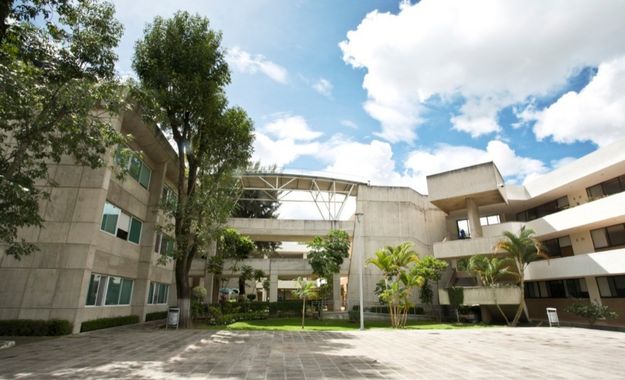
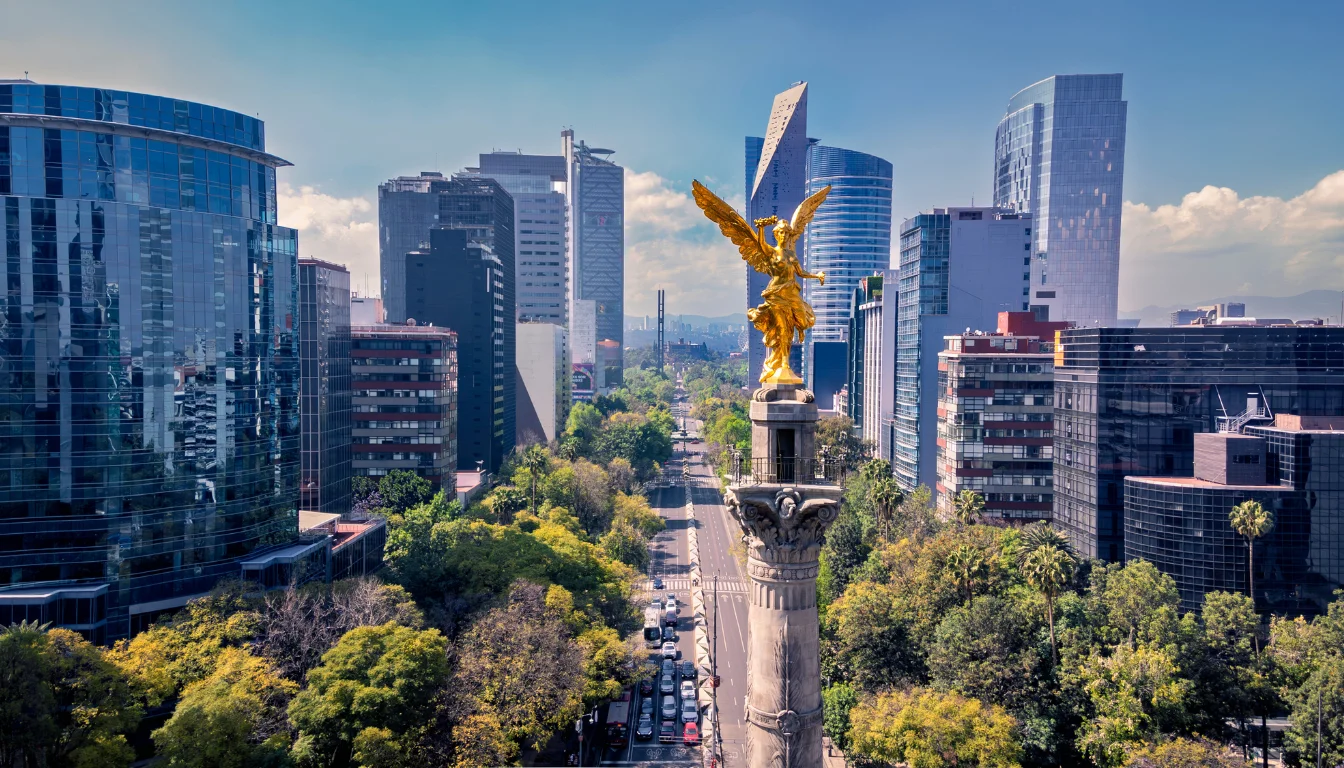
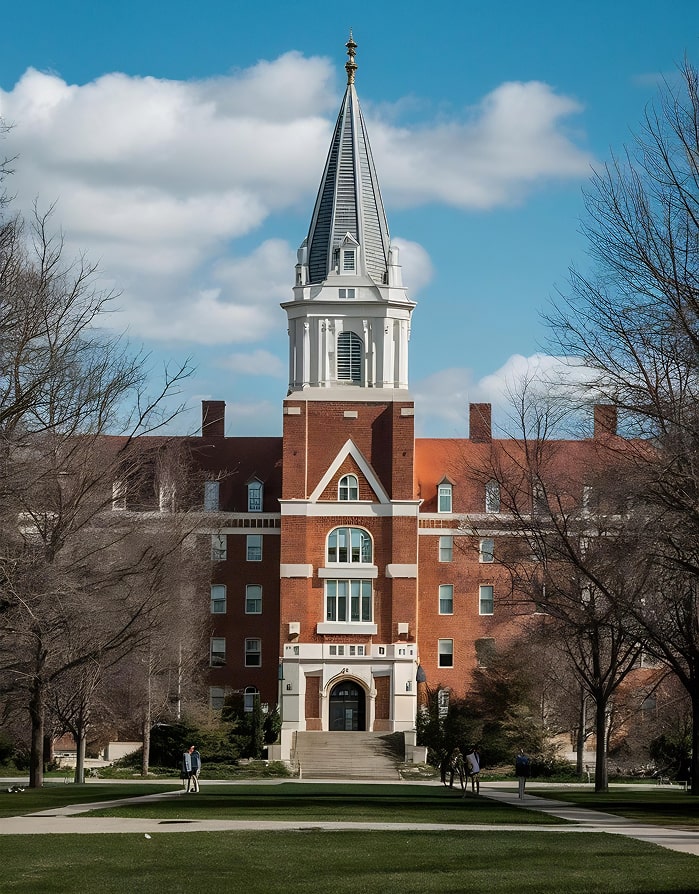
Founded in 1967, the Mixcoac Campus is a stunning architectural masterpiece where history meets innovation. Home to over 8,000 students, this boutique urban campus features a unique blend of modern, tech-driven structures integrated with a beautifully restored 18th-century colonial textile factory. Located in the historic central-south zone of Mexico City, the campus perfectly balances the vibrant energy of a global metropolis with the peaceful, secure atmosphere of a traditional residential neighborhood, all within walking distance of major avenues, parks, and premier shopping districts.
The Urban Campus Experience
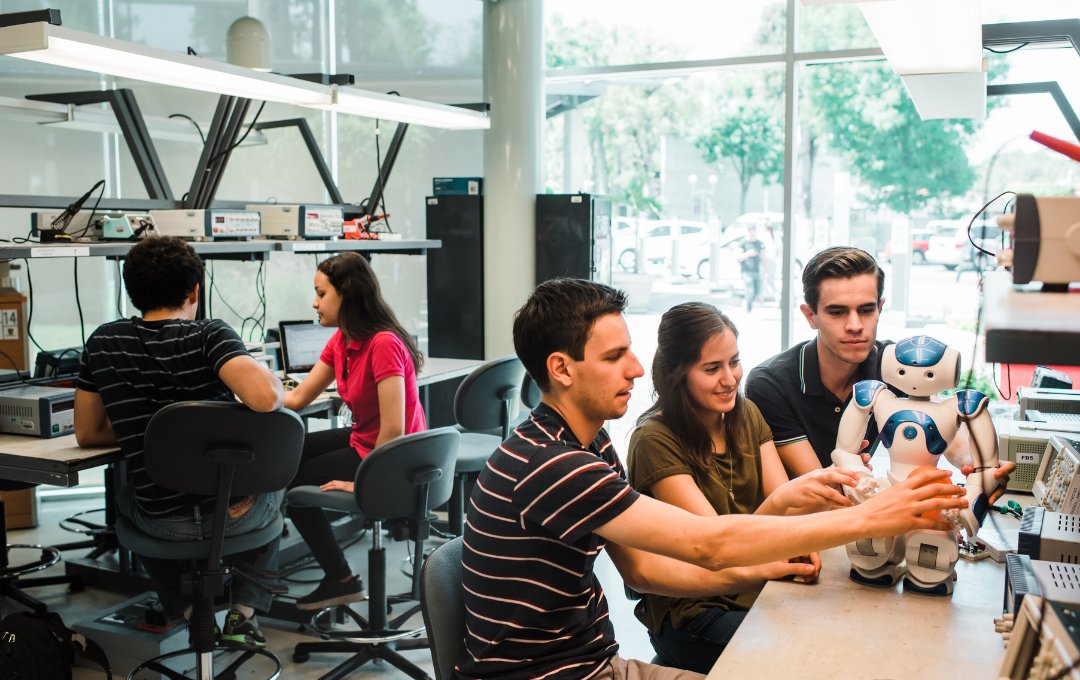
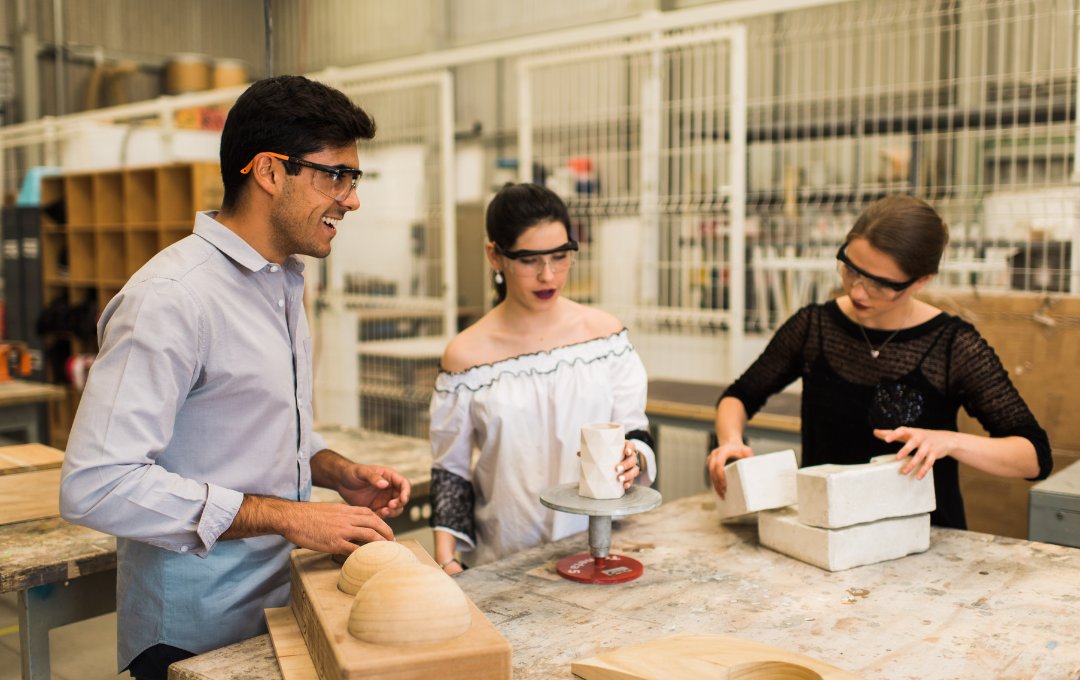
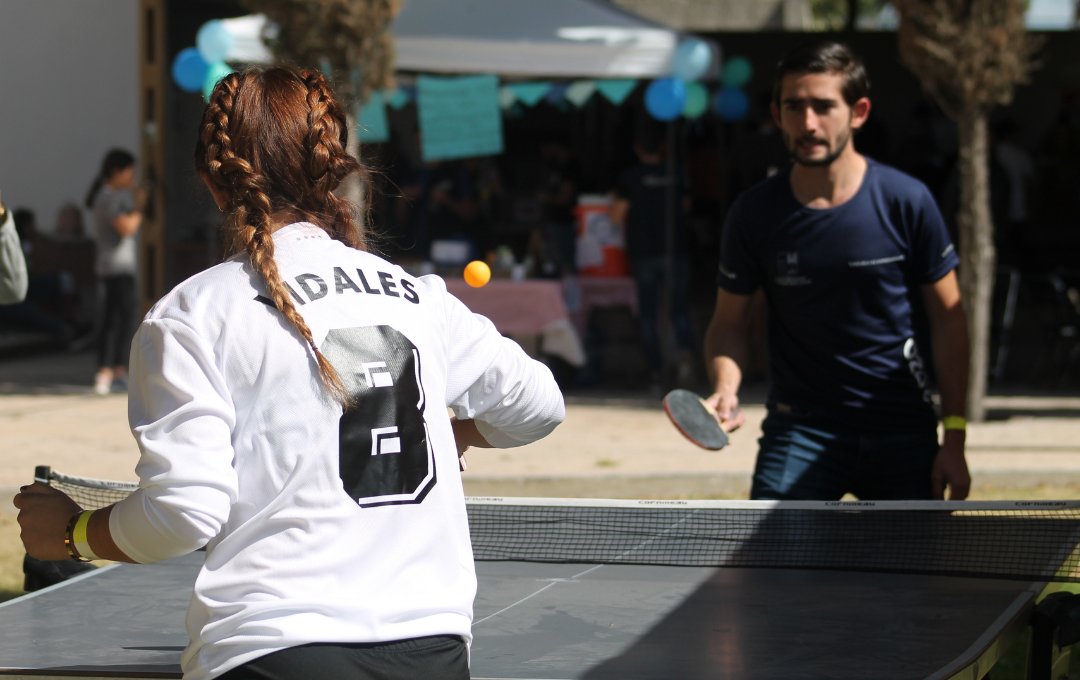
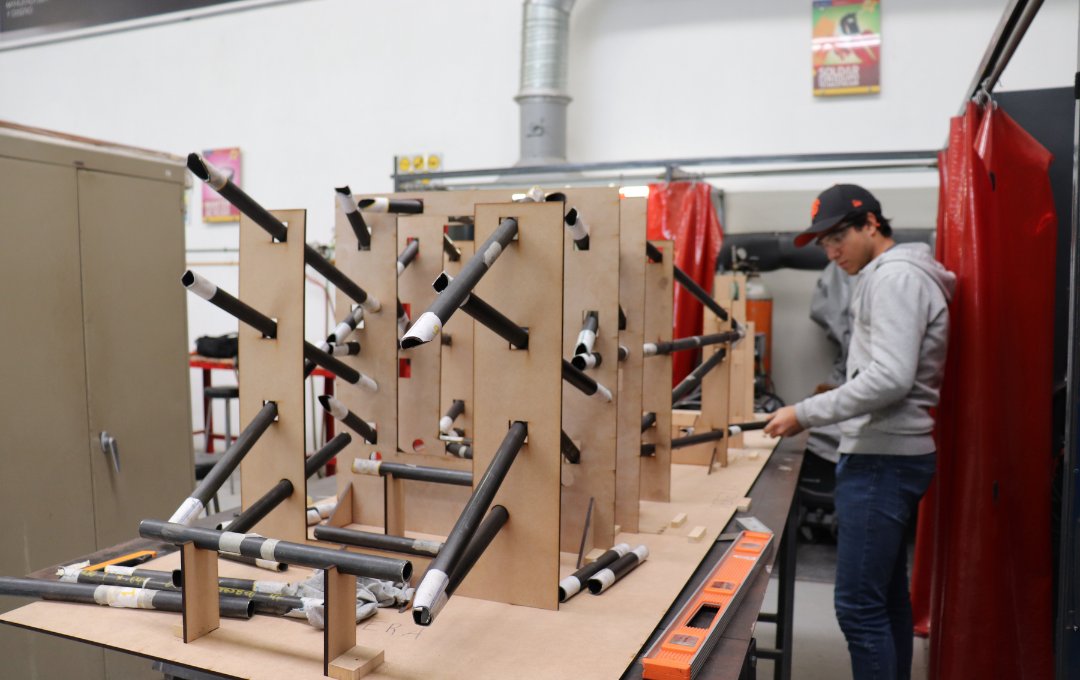
The lifestyle at Mixcoac is designed to be active, collaborative, and deeply engaging. Beyond its advanced academic infrastructure—which includes modern engineering labs, a high-tech photography studio, and an expansive research library—the campus truly lives through its social spaces. Students connect and unwind in a dedicated gaming center, multi-purpose event venues, and collaborative outdoor lounges. The daily routine is complemented by a premium fitness center for health and conditioning, alongside a diverse selection of on-campus coffee shops and dining options tailored for every taste.
Ciudad UP Campus
Launched in 2020 in the exclusive enclave of Bosque Real, Ciudad UP is the future of higher education in Latin America. Spanning a massive 40-acre master plan engineered to eventually host over 10,000 students, this ultra-modern mega-campus represents a vision of academic excellence on a grand scale. It is a world-class educational city built from the ground up for the next generation of global leaders.
Next-Generation Infrastructure
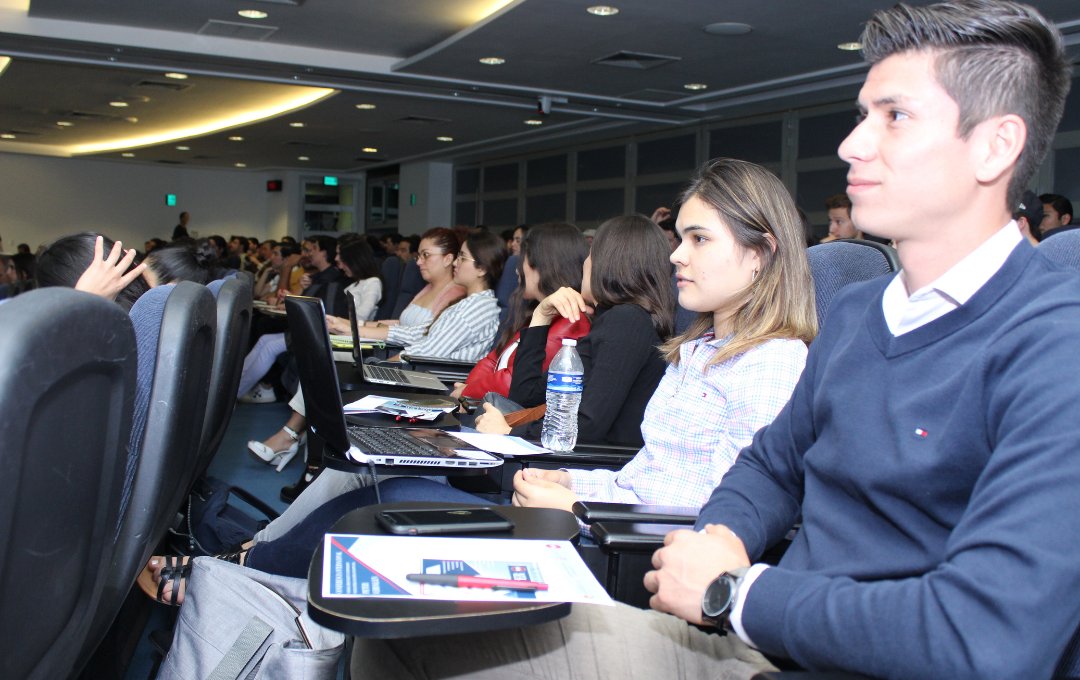
Currently, Ciudad UP’s first operational phase features an impressive 21,000-square-meter facility hosting elite programs in Business, Law, Economics, Government, and Quantitative Finances. Built with a global vision, every curriculum seamlessly integrates international weeks and exchange experiences abroad. The campus environment is a thriving ecosystem of learning and leisure, boasting a majestic auditorium for international summits, advanced laboratories, modern social lounges, and trending coffee shops.
Sports, Wellness & Vision
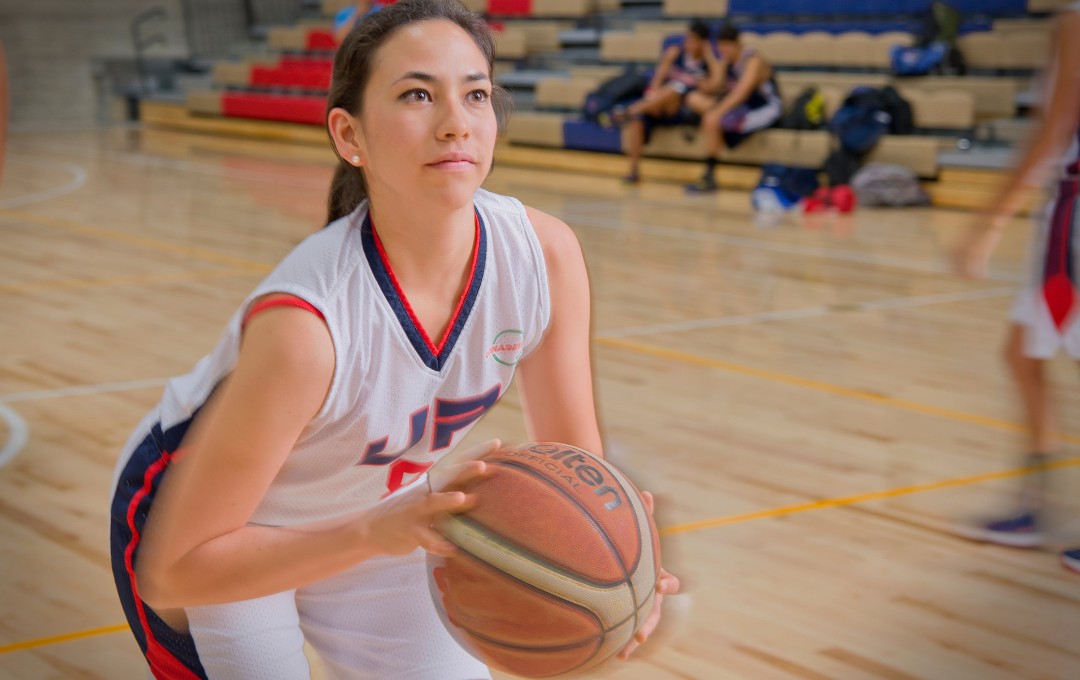
Staying at your peak is effortless here. The campus features premium athletic facilities that include a fully equipped modern gym, competitive multi-sport courts, and two professional paddle courts.
Looking ahead, Ciudad UP is a visionary, long-term ecosystem. Future expansions will transform this massive land into a complete university city, introducing a specialized teaching hospital, advanced research facilities, expanded sports complexes, student residences, and even a contemporary museum.
FAVICON
Incoming Student Coordinator
Jorge Tandy Jimenez

Program Highlight

Faculty

Education

Duration

3 Years

Credits

40

Language

English

Orientation

ORIENT-1
ORIENT-2
cropped-FAVICON.png

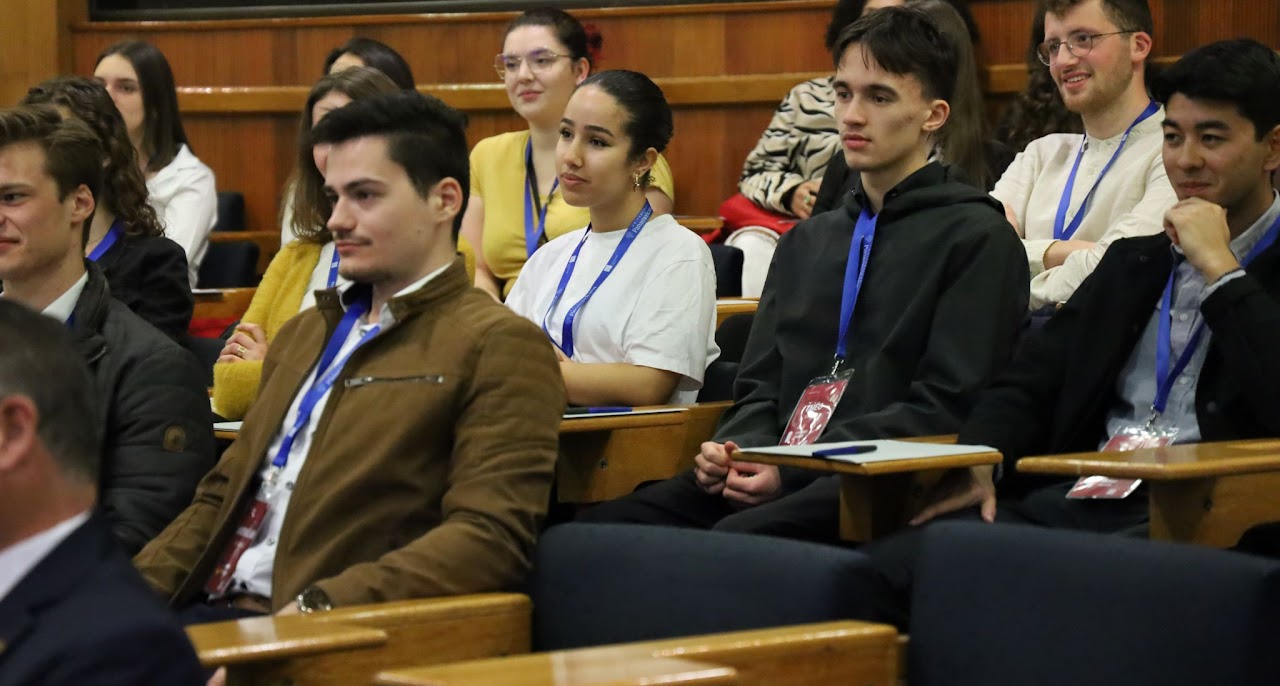
Orientation occurs on the week before the first day of classes. This session will provide you with all the necessary information about your exchange semester(s) and is an ideal opportunity for you to ask any questions you may have.

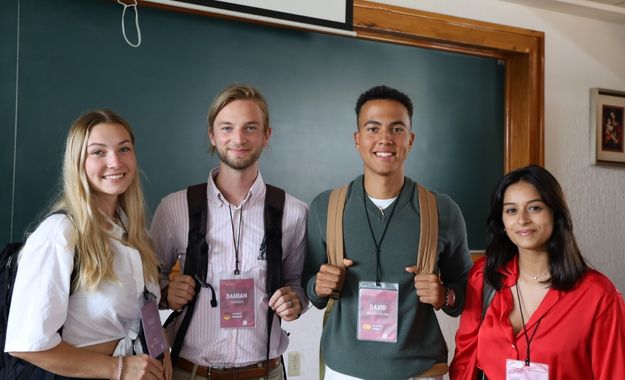
You will have the opportunity to meet all the international students and everyone from the International Affairs office. By attending this orientation session, you will receive more information on our social events, sports, artistic workshops and more.

It is crucial to attend this event, and you must arrive at the designated time specified by the Incoming Coordinator in forthcoming official emails.

Further details about the event will be shared via email.

International Buddy Program

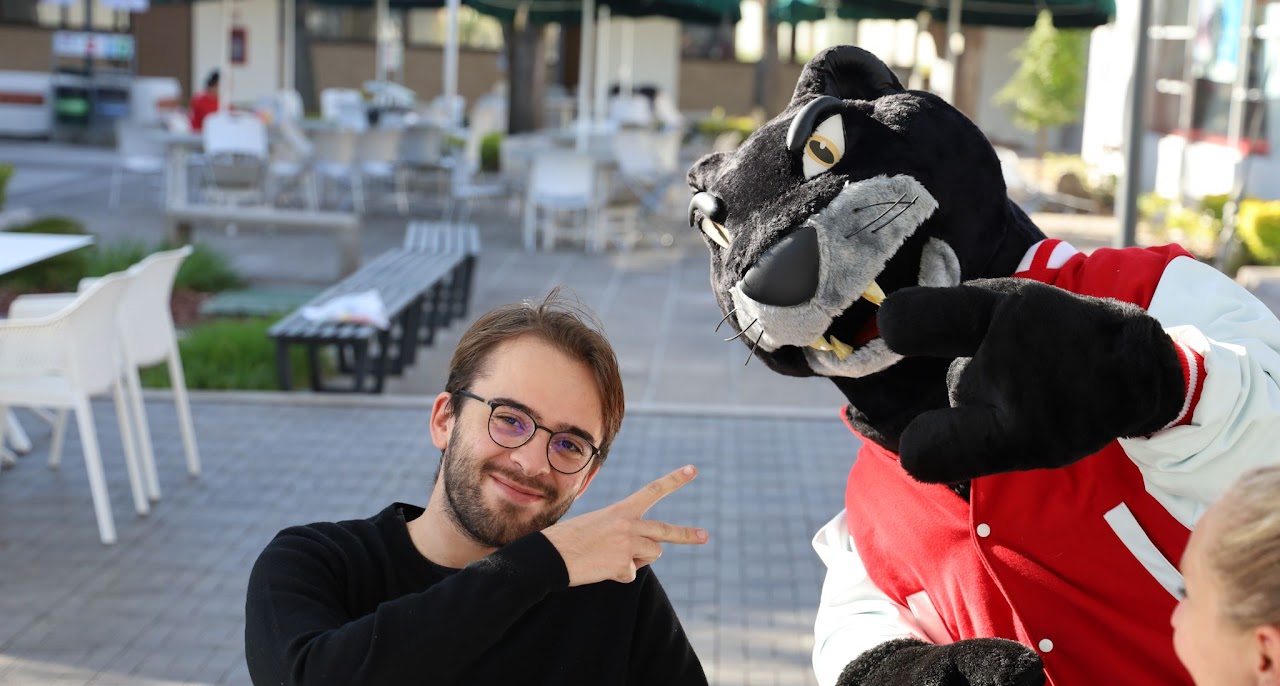
Adjusting to a new cultural environment can be thrilling and demanding. International students frequently have numerous questions and doubts during their initial weeks. The International Buddy Program was established to alleviate this experience, with present UP students serving as guides for newcomers.
We promote:
What can new students expect for joining the International Buddy Program?
UP-INC-GDL-2
UP-INC-GDL-1
cropped-FAVICON.png
The International Buddy Program is FREE and fun!
We have it each semester for our new international students , you'll receive the invitation to participate via email.

Migration & Student Visas

UP-INC-GDL-3
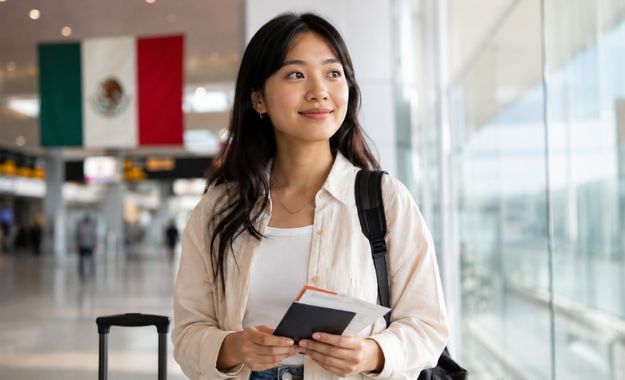
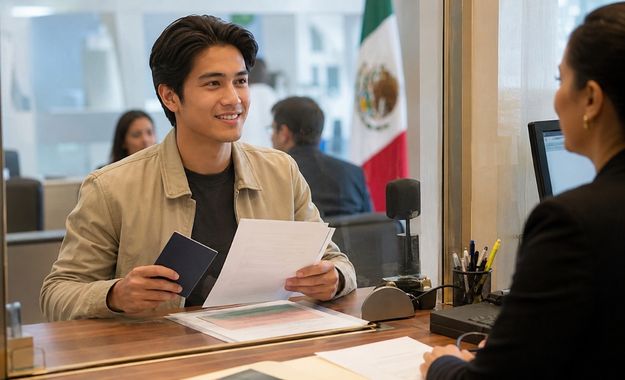
Students coming for one semester are permitted to enter the country without a student visa for up to 180 days. In the event your country is on the list, you must hold a valid visa to enter the country regardless of the duration of your stay.
UP-INC-GDL-4

For students staying more than 180 days (two semesters), UP will provide a letter for visa approval. To apply for a visa, students must go to the nearest Mexican Consulate in their home country. It is recommended that students apply as soon as they receive the acceptance letter, since the visa process may take several weeks.

Housing

testi-left1
UP-INC-GDL-5
Universidad Panamericana does not offer on-campus housing, but we do provide a list of available accommodations every semester to help our students find a suitable place to stay. These options include host families, student housing or shared apartments.
Housing Disclaimer Information
UNIVERSIDAD PANAMERICANA SHOULD NOT BE CONSIDERED AS A PARTY OF ANY CONTRACT. PLEASE CHECK DISCLAIMER.

Average Living Expenses

Housing

300 - 400 USD per month

Restaurant

10 - 15 USD per meal

Cafeteria

6 - 8 USD per meal

Taxi from Airport

25 USD

Bus

0.50 - 0.70 USD per ride (80 per month)

Academic Materials

150 USD per semester

Water Bottle

1 USD per bottle

Coffee

2 USD per cup

Drinks

5 USD per drink

This is a rough guide to living costs for international students living in Mexico (in US dollars).
Of course, these will vary depending on your preferred standard of living, where you choose to live, and which campus you are at.

Student Regulations

UP-INC-GDL-6
UP-INC-GDL-7
cropped-FAVICON.png
Keep in Mind

International Insurance

1. Essential Medical Coverage (The Non-Negotiables)

These are the cornerstones of any good insurance plan. Make sure your policy includes:

2. Financial Limits & Deductibles (The Key Numbers)
3. Emergency & Evacuation Coverage (For Serious Situations)
4. Assistance & Logistical Services (How Easy Is It to Use?)
5. Important Inclusions & Exclusions
6. Documentation & Visa Requirements
Before you buy, ask these direct questions:
  1. Does this policy meet the minimum insurance requirements of my host university? (Show them the requirements).
  2. What is the total maximum coverage amount in U.S. dollars?
  3. What is the deductible? Is it per incident or per year?
  4. Do you offer direct payment to hospitals in my destination city?
  5. Is the assistance hotline available 24/7 and can I get help in my native language?
  6. Does this policy cover emergencies related to pre-existing medical conditions?
  7. Does this policy explicitly cover COVID-19?
  8. Does it cover amateur or adventure sports?
  9. Does the plan include medical evacuation and repatriation of remains?
  10. Can you provide me with a confirmation letter in English for my university?

In our longstanding partnership with Eduservicios Internacionales, we have found their insurance plan to be both affordable and comprehensive. Therefore, we highly recommend it to our students as a viable option. Check their website for additional information.

Plan «Student 100 + Special RC»
30% off for being a UP student

Example for 6 months (180 days) = 382.49 USD + VAT – 30% = 310.59 USD + TAX.
Example for 5 months (150 days) = 322.50 USD + VAT – 30% = 261.87 USD + TAX.

For more information contact:
hola@seguroparaintercambio.com

Academic Calendar

Universidad Panamericana operates on a two-semester system.

The fall semester
The Spring semester

The Fall Semester

The Spring Semester

IMPORTANT NOTE:

It is the student's responsibility to comply with the requirements established by the country and educational institution in which they carry out their exchange.

Content of the Courses

To optimize your performance during your exchange program, it is recommended that you choose courses closely related to your academic background. Additionally, it’s necessary to have adequate prior knowledge in the discipline being taught.

If there are mandatory courses you need to take in order to graduate, we recommend that you take them at your home university.
It is possible to mix courses from different programs, levels, and languages.
UP-INC-GDL-11
UP-INC-GDL-10
ACADEMIC GRADING

UP Grading System and Credits

In Universidad Panamericana the grading scale is from 5.0 to 10 and the minimum passing grade is 6.0
  • 10: Excellent (excelente)
  • 9: Very Good (muy bien)
  • 8: Good (bien)
  • 7: Average (regular)
  • 6: Sufficient (suficiente)
  • 0-5.9: Insufficient/Failed (deficiente/reprobado)

Transcript of Records

Please note that transcripts of academic records are sent in February for students enrolled during the Fall semester and at the end of June for students enrolled during the Spring semester.

CREDIT SYSTEM
In Universidad Panamericana, the credit system includes 5 hours of complementary work for every 3 hours of teaching, as well as evaluations, projects or practices. Each UP credit represents 16 hours of work done by the student, excluding evaluation periods.
tution-shape.png
UNIVERSIDAD PANAMERICANA

Language Courses

Availability depends on student registration. 

Spanish Courses

To prepare for your time living in Mexico, Universidad Panamericana offers Spanish courses to enhance your language skills. Our program includes various proficiency levels: Basic, Intermediate, Advanced

Third Languages

You can learn a new language while you are in UP: Chinese, French, German, Italian, Japanese. 
Please ask your coordinator to provide more information about course availability and fees.

Campus Life & Activities

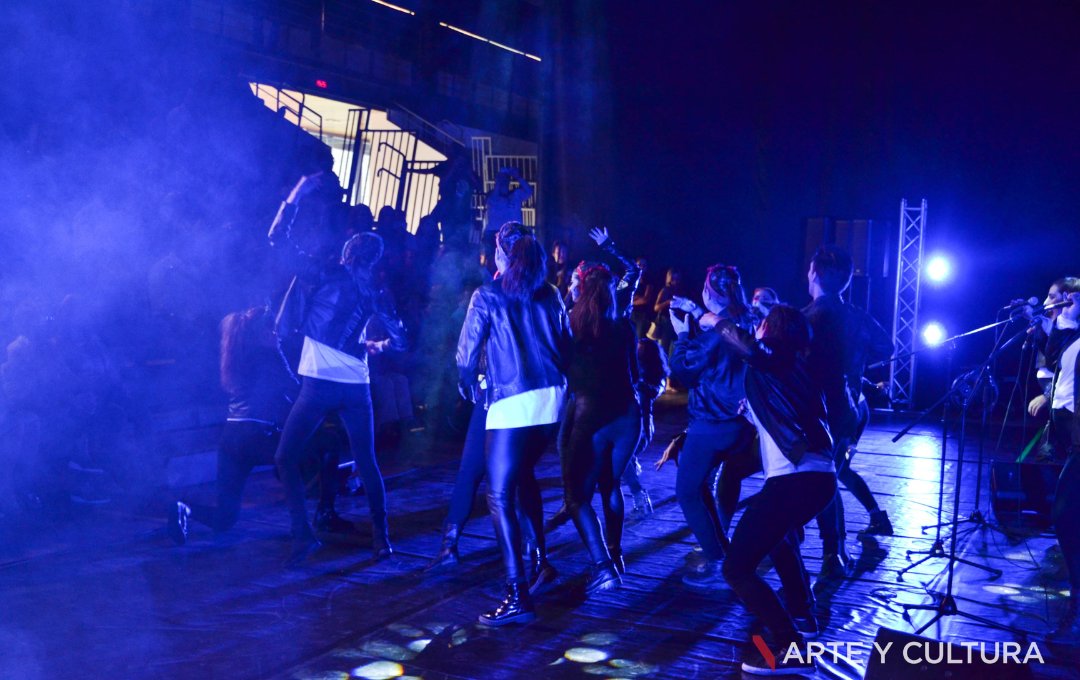
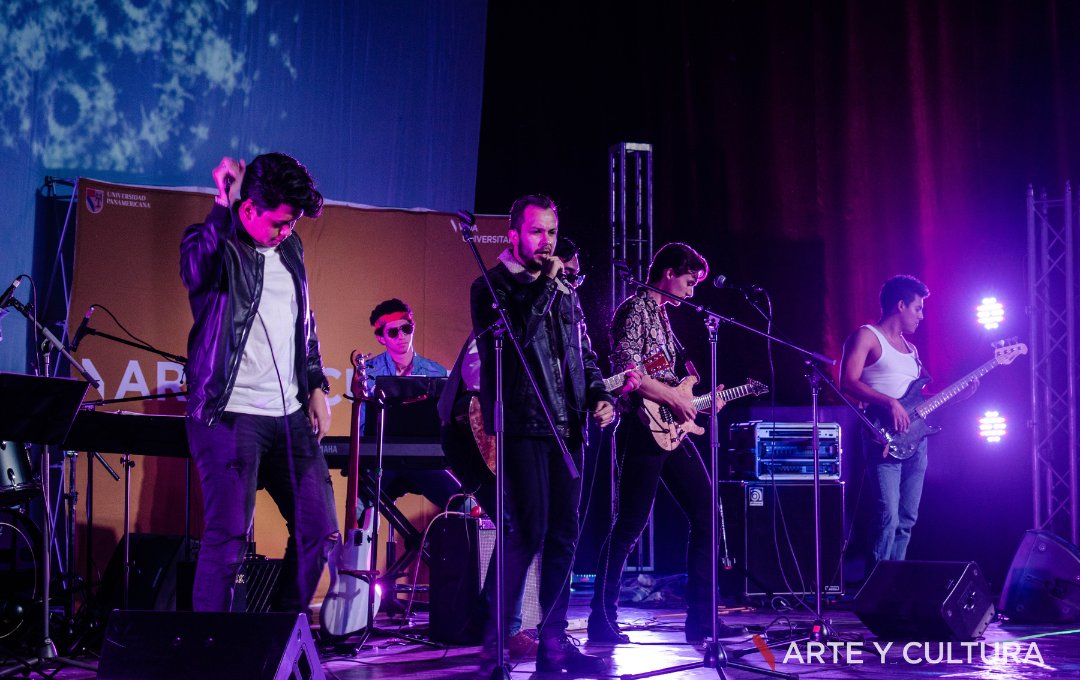
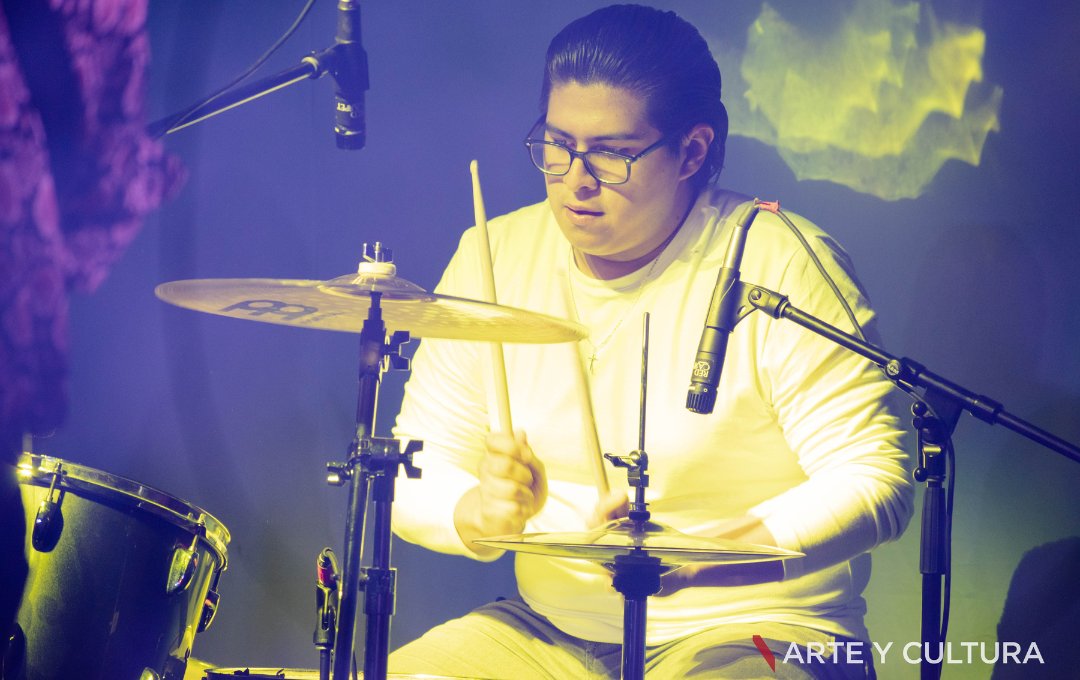
Beyond the classroom, enjoy a well-rounded experience through sports, fitness, arts, culture, and research activities that enrich your academic journey and help you integrate into the UP community.
about-left-icon1
Public transportation
1. Public Buses

Guadalajara’s buses will not always be clean or timely, but they can get you to just about anywhere in this big city. They run everyday from 6:30 am to 10:00 pm, usually you do not have to wait more than 10 minutes for a bus, unless it is rush hour. Buses are typically $10 pesos (around $0.50 USD).

Sometimes buses get so crowded that they may not stop to pick you up, so you need to take your time and wait for the next one to come. To get a bus to stop, all you need is to stick out your arm with your index finger pointed out while standing on the bus stop. When you are trying to get off the bus you have to press the buttons on the ceiling or on the walls of the bus to tell the driver that you want to get off the bus at the next stop.
Be careful getting on and off the bus, as it may start moving before you are all the way in or out. If you can not reach one of the buttons you can ask someone to do it for you or just yell “Bajan”.
The following buses will take you to the UP from the center of Guadalajara:
629 A
This bus takes you to the main entrance of UP. Departs from Morelos (Avenida Juarez) downtown. The route follows Avenida Vallarta past the “Minerva” Fountain, through the neighborhood “Jocotán, ” until it arrives at UP’s front gate.
39 A
This bus will take you to the roundabout next to UP. It runs from San Felipe, following Mexico avenue and Vallarta avenue.
SiTren (Pretren)
This will take you from the mini train station to Vallarta Avenue and return.

Moovit is a public transit app and mapping service. The app includes travel planning, live departure and arrival times, updated itineraries, maps of local stops and stations, service alerts, and notices that could affect a trip.
It is an easy tool, for getting around the city. It allows users to enter the location of destination and departure, and get the routes and buses you should take.

Click the image to visit the web page.
2. Taxis

Taxis are easy to get and they are typically $50 pesos ($2.50 USD) (within 10 minutes of downtown). Uber is the option that we recommend the most, it is safe, easy and sometimes cheaper than regular taxis.

Personal Driver's Apps
UBER
UBER is your personal driver in Guadalajara. 24 hours, 365 days. Ask for one trip in Guadalajara city and in a few minutes your driver will be arriving at your location.
DiDi
The company develops and operates the Didi mobile app, which allows consumers with smartphones to submit a trip request which is then routed to Didi drivers who use their own cars.
You can pay with or without cash, by submitting your credit card info.
Download these apps directly into your cellphone.
Airlines
Guadalajara’s buses will not always be clean or timely, but they can get you to just about anywhere in this big city. They run everyday from 6:30 am to 10:00 pm, usually you do not have to wait more than 10 minutes for a bus, unless it is rush hour. Buses are typically $10 pesos (around $0.50 USD).
Buses

Within the Republic, there are national bus routes that can take you to almost any destination inside Mexico.

From Guadalajara you can find the next options to travel.

If you are in the city or at your place and in case of an emergency you must call 911 for medical assistance.

Or you can go to the nearest hospital.

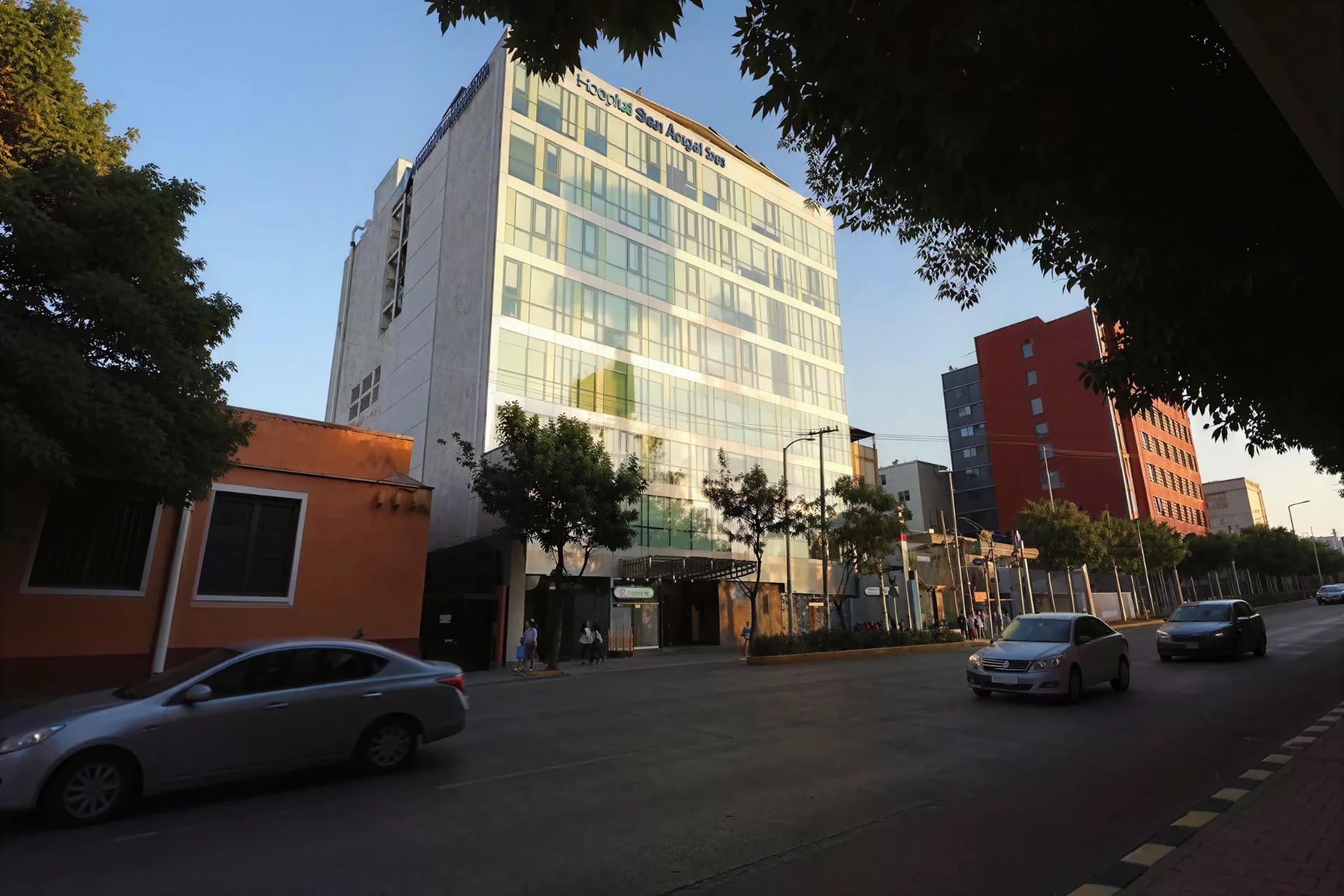
Here is the list of the best hospitals in the city:

For more information contact:
hola@seguroparaintercambio.com

Hospital Ángeles del Carmen
Hospital Real San José
Hospital San Javier
Hospital Santa María Chapalita
Centro Médico Puerta de Hierro
Hospital Country 2000
Pharmacies and on-call doctors

If you have a minor illness or need a simple prescription, here in Guadalajara most pharmacies have on-call doctors that can assist you. This is a great and cheaper alternative for visiting the hospital or making an ahead of time appointment with a doctor.

Some pharmacies that offer this service are:

Call for availability or arrive directly to the pharmacy, you may expect a waiting time of 5-10 min.

Be aware that the doctors who work in pharmacies can only prescribe you for simple and quick issues like an ear infection, a cold and such others. If you present severe symptoms or disconfort, go to the hospital without a second doubt.

Mexican currency

México’s currency is the Peso ($).
The aproximate exchange rates are:

1 Dolar- $20 pesos mexicanos
1 Euro- $23 pesos mexicanos

It’s important to bring cash with you when going out because not every midrange store or restaurant accepts credit cards.

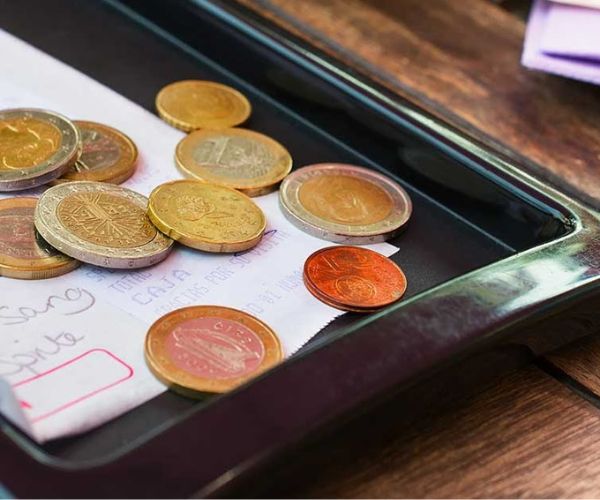
It’s also recommended, if you can carry loose change with you in the case you need to tip somebody or if you find a «puesto» or street vendors.

Banks and ATMs

In México, there are different banks you could visit, just make sure you do the proper research in the ones that are associated with your bank back home or can allow you to manage your finances easily.

You can find an ATM almost anywhere in the city. On campus we have an ATM managed by Santander.

Remember to be cautious about your surroundings and of the amount of money you will be handling, every time you use an ATM.

Most popular banks in Mexico:

Currency Money Exchange Centers

Exchange centers (Casas de cambio) can be found almost anywhere in the city, look for the trading currency posters or find them in google.

Their exchange rates can vary from store to store, each Casa de cambio is subject to different sources and their own policies, if you have the chance you can compare each store’s rates to choose the one that best suits you.

Greetings

When greeting someone, it is common to shake their hand if they are strangers and if they are older than you, if you are friends you can opt for a single kiss on the cheek, only if you are a woman or are greeting a woman. Between men, a single kiss on the cheek is not common.

People in Mexico are usually friendly and polite, so while passing someone on the street, you can say «Buenos días» (Good morning), «Buenas tardes» ( Good afternoon) or «Buenas noches» (Good night) depending on the time of the day and regardless if they are strangers.

Shopping and tipping

When you are shopping in Mexico, it is not common to ask for a lower price or bargain with the vendors, especially if you are in a store. You may be offered a discount by street vendors, just remember before you bargain the price of a product or service, that most street vendors earn minimal wages and spend many hours making their products themselves.

Tipping in restaurants is expected, it can be from 10 to 20 percent of the full price of the check. If more than 4 people are eating the 15-20 percent tip is acceptable. Also tipping in gas stations, food delivery, parking lot’s car keepers, hotel room maids, valet parking and any other services can be very aprecciated, you can tip with loose change (from 5 to 20 pesos).

Business hours

Here in Mexico, business hours may be different from your home country. In week days most local business open earl in the morning and close until 8:00 pm, some others close at lunch time varying from 2:00-3:00 until 4:00-5:00 in the afternoon.

Restaurants and food services usually open either in the afternoon and close until 10:00 pm or don’t close at lunch time.

On Saturdays, some business that open in the morning close at lunch time. And on Sundays most stores don’t open for business. (If you know previously where you are going, check online so you don’t err and arrive to a closed store)

Traffic
When you are shopping in Mexico, it is not common to ask for a lower price or bargain with the vendors, especially if you are in a store. You may be offered a discount by street vendors, just remember before you bargain the price of a product or service, that most street vendors earn minimal wages and spend many hours making their products themselves. Tipping in restaurants is expected, it can be from 10 to 20 percent of the full price of the check. If more than 4 people are eating the 15-20 percent tip is acceptable. Also tipping in gas stations, food delivery, parking lot’s car keepers, hotel room maids, valet parking and any other services can be very aprecciated, you can tip with loose change (from 5 to 20 pesos).
Table manners

You will find the phrase «Provecho» or «Buen provecho» used while having a meal or in restaurants. These is a common saying in the country, meant to wish the other person a good meal or to enjoy their meal. This phrase alludes to the french saying of «Bon Appétit».

If you invite someone to eat, you may be expected to take care of the bill or if the other person insists, you may split the check.

Splitting the check when you make plans to eat with friends is more common on meals, in the situation of ging out for drinks you may pay each one for their total.